
Snakes
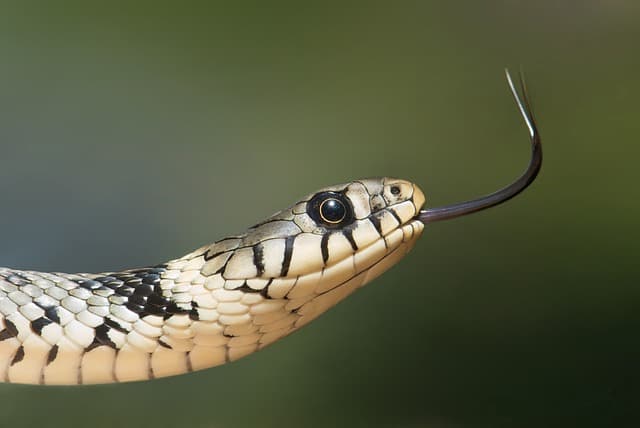
- Species of Most Concern:
- Western diamondback rattlesnake
- Size:
- 3 to 4.5 feet
- Color:
- Grayish-brown with diamond-shaped blotches
- Danger Level:
- High — venomous bite requires immediate medical attention
Identification
Arizona is home to more rattlesnake species than any other state, and the western diamondback is the one most East Valley and desert-edge homeowners actually encounter. Look for a triangular head, heat-sensing pits between the eyes and nostrils, diamond-shaped patterning down the back, and — if you're close enough to hear it — the unmistakable rattle.
Rattlesnakes are most active in spring and fall, when temperatures are moderate, and tend to avoid the peak heat of summer afternoons by staying in shade or burrows.
Why Snakes Are a Problem in Arizona
Properties near desert washes, mountain preserves, or undeveloped desert lots see far more snake activity than denser suburban neighborhoods, simply because there's more natural habitat nearby. Landscaping rock, wood piles, and dense ground cover all give snakes places to hide close to a home without being noticed.
A snake in the yard doesn't necessarily mean an infestation — but a property that keeps attracting them usually has something drawing them in, whether that's rodent activity (a food source) or simply easy cover near the foundation.
What to Expect From Legacy
Inspection of the property for likely hiding spots and attractants
Recommendations on habitat modification — rock piles, dense brush, and clutter near the foundation
Exclusion guidance to reduce entry points around the home
Referral guidance if an active snake needs safe, immediate removal
30 Days Money Back Guarantee
We accept all credit and debit cards!
Your pest problems.Our proven solutions.
You are our #1 priority. We show up on time and do the job right the first time.